
Digital Compendium
A practical, plain-English reference for amateur digital voice modes. This page focuses on how things actually work and when they are useful, without unnecessary theory or vendor hype.
1. What Are Digital Voice Modes?
Digital voice modes convert your voice into data, transmit it over RF, and often route that traffic through repeaters or internet-connected networks. Compared to analog FM, digital voice can provide clearer audio, more consistent coverage, and worldwide reach.
Common Amateur Digital Voice Modes
-
DMR (Digital Mobile Radio)
Uses talkgroups and time slots. Very common for hotspot operation and wide-area networks.
BrandMeister Network (DMR talkgroups & network info) -
YSF (Yaesu System Fusion)
Uses reflectors instead of talkgroups. Often simpler for new users and popular for casual operation.
DVRef – YSF Reflector Registry -
D-STAR
Callsign-based routing, most commonly used with Icom radios.
Icom D-STAR Overview -
P25
Public-safety digital standard with limited amateur use. Included here for awareness and future expansion.
2. What Is a Hotspot?
A hotspot is a low-power personal digital gateway that connects your radio to a digital voice network using your internet connection.
- No local digital repeater required
- Consistent indoor coverage
- Ideal for travel and portable operation
👉 Pi-Star Hotspot Setup Guide (Complete Walkthrough)
If you’d rather skip the build and setup process, there are also pre-configured hotspot and SD card options available.
3. OpenSpot (Commercial Hotspots)
OpenSpot devices are turnkey, commercial digital hotspots that do not require Raspberry Pi or Pi-Star.
Typical cost: $320–$400
SharkRF OpenSpot (official site)4. DMR Basics
DMR uses talkgroups and time slots to efficiently share spectrum.
BrandMeister Network4.5 Useful Digital Tools
-
BrandMeister Hose
Live, real-time visualization of active DMR talkgroups, time slots, and network traffic. Extremely useful for seeing what’s actually busy right now.
https://hose.brandmeister.network
More tools will be added here over time (dashboards, reflectors, live maps, and network status pages).
5. YSF Basics
YSF uses reflectors instead of talkgroups and is often easier for new users.
DVRef – YSF Reflector Registry6. D-STAR Basics
D-STAR uses callsign-based routing rather than talkgroups or reflectors. Stations are linked using gateway and reflector commands.
7. Recommended Videos
General
Ham Radio Digital Modes Comparison – DMR, DSTAR or YSF?
DMR
DMR For Beginners – TheSmokinApe
What is DMR? A Quick Introduction
5 Facts You Didn’t Know About DMR
YSF
Yaesu System Fusion – Quick Look
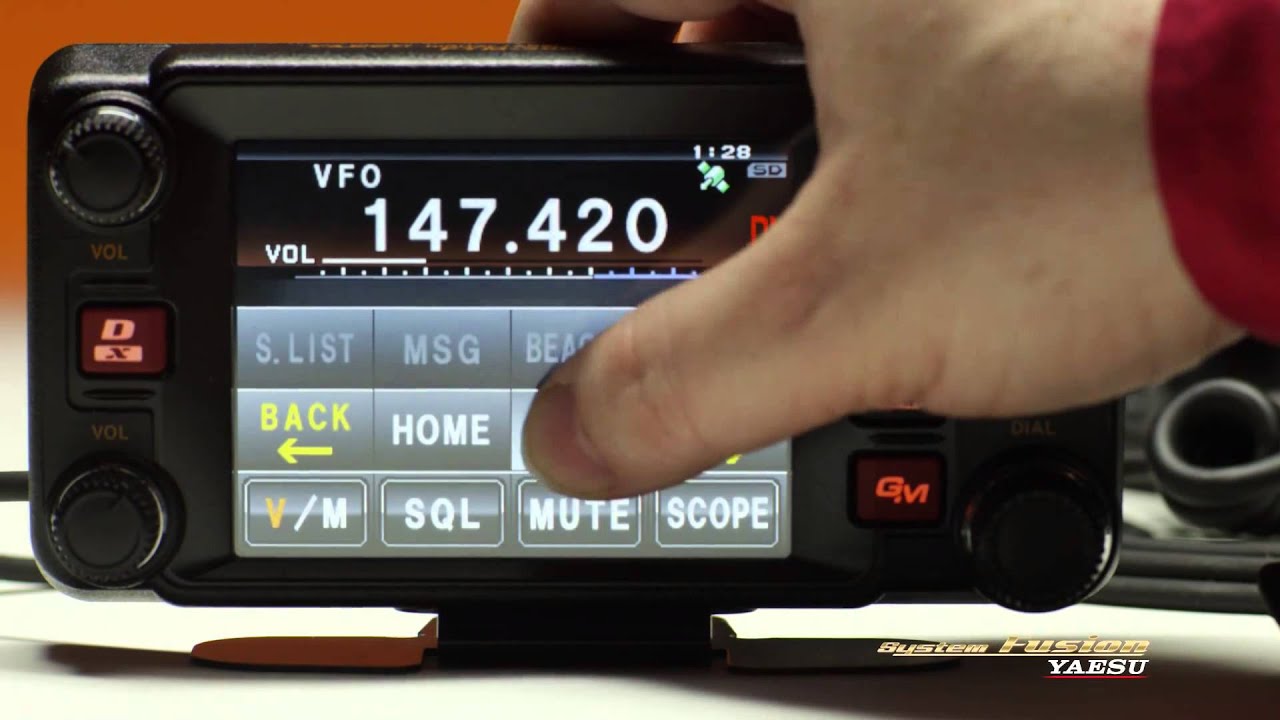
YSF Introduction
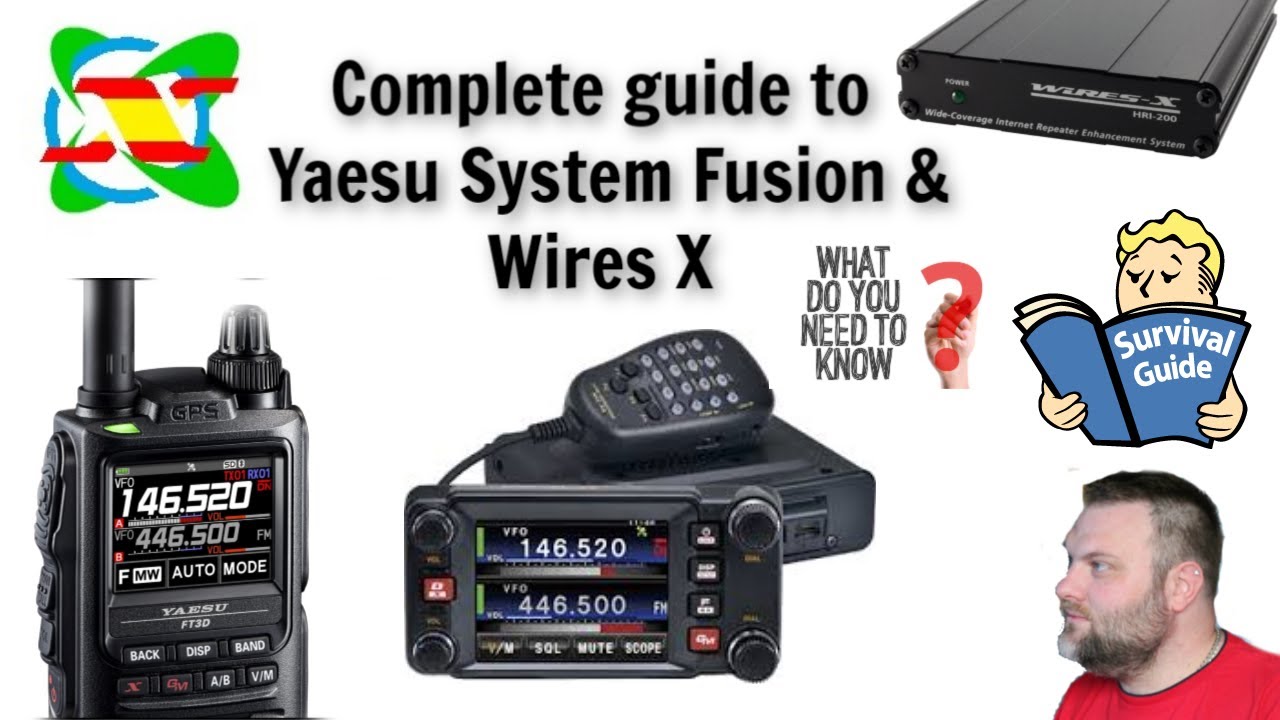
Complete YSF & WIRES-X Guide
D-STAR
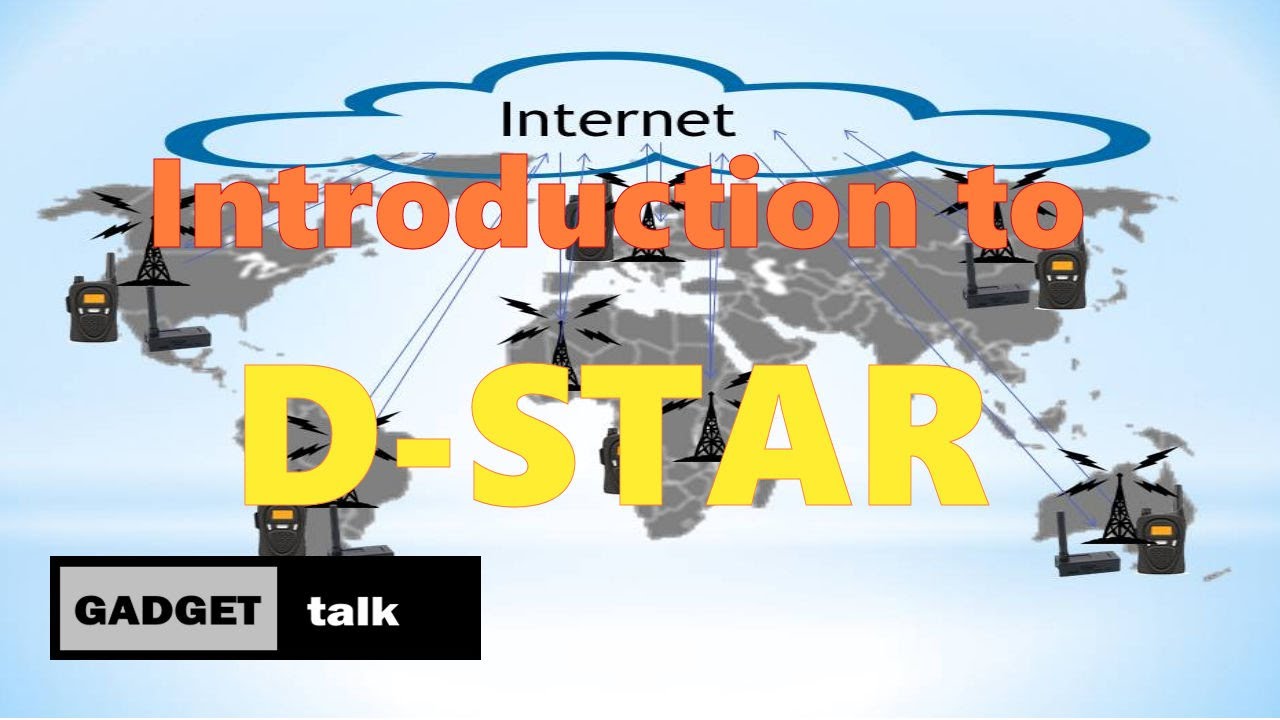
Introduction to D-STAR
Simple Guide to Using D-STAR
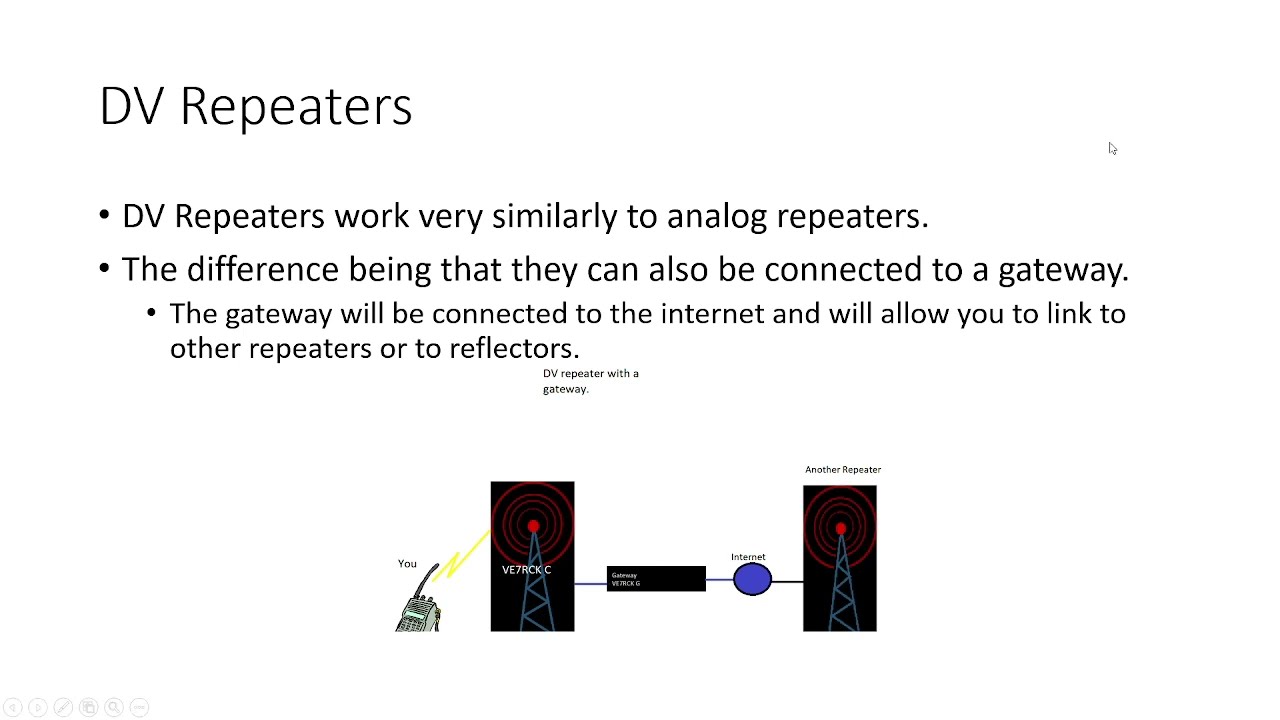
D-STAR Basics Explained